International Biodiversity Day
Every year on 22 May, the world observes the International Day for Biological Diversity to remind humanity how delicate, interconnected, and precious life on Earth truly is. Biodiversity is not merely the number of plants, animals, or forests; rather, it represents the vast web of life upon which the survival of all living beings, including humans, depends. In an era marked by climate change, environmental pollution, deforestation, and the reckless exploitation of natural resources, this day urges us to seriously reflect on our relationship with nature.
Biodiversity mainly consists of three major components. The first is genetic diversity, which refers to the genetic variation within a species. This diversity enables plants and animals to adapt to changing environments, resist diseases, and maintain their survival. The second is species diversity, which includes the wide variety of living organisms on Earth. Every species performs a unique role in maintaining ecological balance—from bees pollinating crops to predators regulating natural populations, each organism is essential to the functioning of nature. The third is ecosystem diversity, which encompasses forests, rivers, oceans, grasslands, mountains, and deserts, where life flourishes in countless unique forms.
Biodiversity provides humanity with countless ecosystem services. Food, clean water, medicines, and raw materials are all directly obtained from nature. Forests absorb carbon and help mitigate climate change, wetlands reduce the risk of floods, and healthy soils form the foundation of agriculture. Nature not only provides material resources but also offers mental peace, cultural identity, and spiritual connection. A strong and diverse ecosystem enhances environmental resilience. When ecosystems are biologically rich, they can better withstand droughts, floods, diseases, and climatic shocks. Conversely, the loss of biodiversity weakens the entire ecological system. The environmental crises facing the world today are, in many ways, signs of this growing fragility in nature.
The concept of sustainability is deeply linked with biodiversity. Sustainable development does not simply mean economic growth; rather, it refers to a model of progress that safeguards the rights and resources of future generations. Responsible use of natural resources, forest conservation, reduction of pollution, and environmentally friendly lifestyles are the true foundations of sustainability. The International Day for Biological Diversity is, in essence, a silent call from the Earth—a reminder that humans are not the owners of nature, but a part of it. Protecting biodiversity ultimately means protecting human health, economies, and social stability. Even small actions such as planting trees, conserving water, reducing plastic use, and respecting local ecosystems can create significant positive impacts.
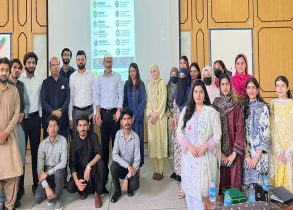
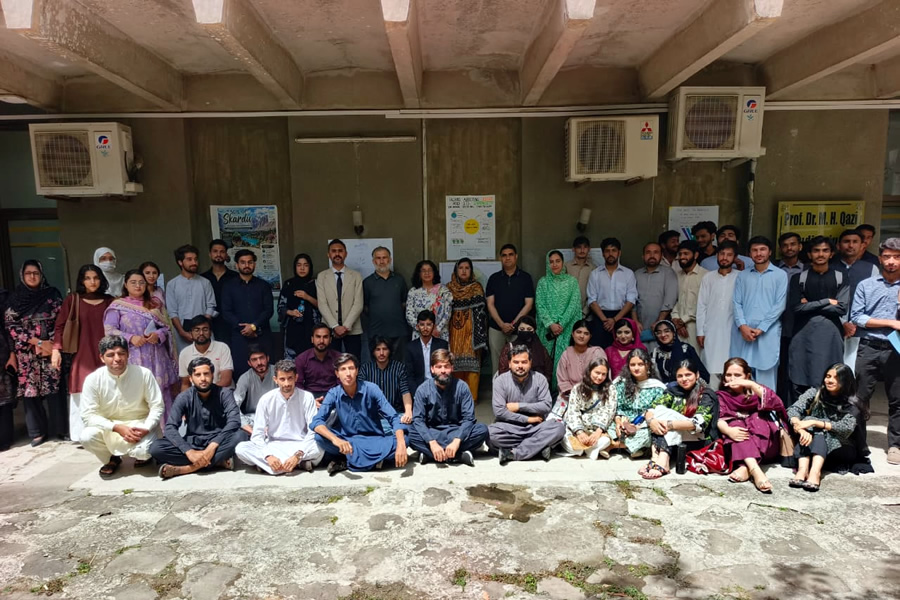
The Department of Plant Sciences, the Plantarian Association, and the Green Youth Movement at Quaid-i-Azam University jointly organized a National Seminar on 21 May 2026 in connection with the International Day for Biological Diversity under the theme “Acting Locally for Global Impact.” The seminar was held at the Qazi Auditorium, Faculty of Biological Sciences, and brought together faculty members, researchers, students, and distinguished guests to highlight the importance of biodiversity conservation and the growing environmental challenges posed by climate change. The event commenced with a student poster exhibition featuring research and awareness materials related to biodiversity, environmental sustainability, and conservation practices.
During the formal session, distinguished scholars shared their insights on contemporary environmental issues. Prof. Dr. Mushtaq Ahmad delivered a welcome address on “The Impact of Climate Change on Biodiversity: A Global Perspective,” emphasizing the urgent need for collective efforts to protect natural ecosystems. Prof Dr Shujaul Mulk Khan delivered the keynote speech titled “Acting Locally for Global Impact,” highlighting the crucial role of local communities, academic institutions, and youth in addressing global environmental challenges. The seminar concluded with an interactive discussion session, closing remarks by Prof. Dr. Riffat Naseem Malik, Dean of Biological Sciences, a group photograph session, and a short biodiversity awareness walk, reflecting the university’s commitment to environmental awareness and sustainable development.