Marqa-e-Haq: A Catalyst for National Integration
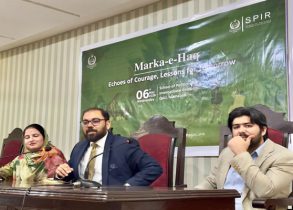
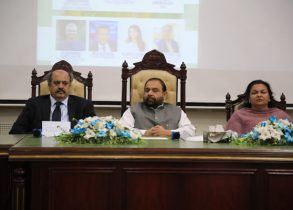
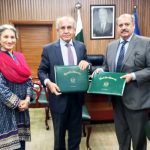
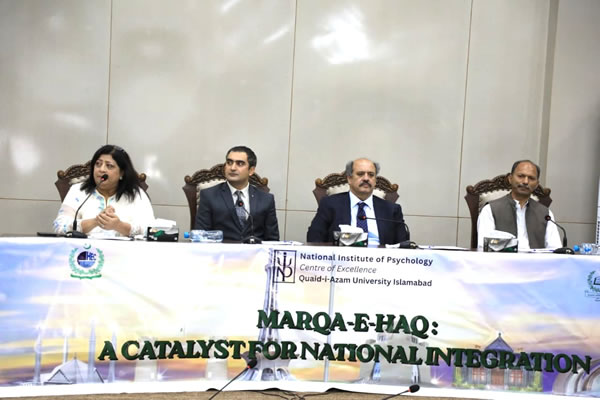
The National Institute of Psychology (NIP) at Quaid-i-Azam University, Islamabad, hosted a landmark symposium titled Marqa-e-Haq: A Catalyst for National Integration on May 7, 2026. The event was organized to commemorate the first anniversary of Operation Bunyan-ul-Marsoos (April 22 – May 10, 2025), a military response Pakistan terms as the “Battle of Truth” against Indian aggression. The symposium aimed to translate a military milestone into a broader discourse on psychological resilience, national cohesion, and counter-extremism. The session was anchored around the theme that truth, resilience, and unity are the foundations of an inclusive Pakistan. The event commenced a formal opening ceremony including Tilawat, Naat, the National Anthem, and Milli Naghma. Keynote address by (Lt. Gen. (R) Muhammad Raza Former Corps Commander/NDU President provided strategic insights. The General provided a security-centric view, stating that India violated existing treaties and “murdered people of Kashmir based on mere suspicion.” He asserted that Pakistan successfully communicated its military capability to retaliate against Afghan and Indian threats concluding youth of Pakistan as the first line of defense. Keynote address by Mr. Kashif Irshad, DG KPCVE provided Institutional and shifted focus to socio-institutional reform. He stressed that institutional frameworks (like the KP Hybrid Peace Compact) turn military wins into lasting social peace. Speaker Abdul Rehman from AR Brothers noted that humans are in “misery due to intellect” and that salvation lies in following God. He argued that the Pakistan Armed Forces are successful because they follow divine commands. He warned that spreading unverified information is an indication of hypocrisy. Prof. Dr. Zafar Nawaz Jaspal, Acting VC QAU), the Guest of Honor explained that psychological warfare preceded the actual conflict. He noted that “Twitter strikes” were conducted by India, but Pakistan gained the international high ground by adhering to the Islamic doctrine of war (distinguishing combatants from non-combatants). The event provided recommendations emphasizing the vital role of youth as the “first line of defense in spirit form.” They called for eliminating negative tendencies, understanding the Indian agenda to poison youth minds, and establishing political education and leadership programs within academia. Prof. Dr. Rubina Hanif, Director NIP anchored the dialogue within the framework of psychological resilience. She highlighted her research on indigenous intervention programs against radicalization, emphasizing that mental health advocacy and social competence are vital for national stability. The event concluded followed by the distribution of souvenirs and shields among the guest speakers.