Three days hands-on workshop on ‘Data Analysis Using Python and R’
Data analysis is one of the most crucial components of the research process. In the ever-changing world of technology, where data are readily available and often generated in large volumes, researchers must understand data handling and visualization in a systematic and efficient manner. Genetic research, being entirely data-driven, requires students to be well versed in modern data handling and analytical tools. These tools were taught during a three-day interactive workshop held at Quaid-i-Azam University (QAU), Islamabad, organized by the Department of Zoology, Quaid-i-Azam University, in collaboration with the PASTIC National Centre, Islamabad.
During the inaugural session, Dr. Kiran Afshan, Chairperson and Assoc. Prof. of the Department of Zoology, addressed the participants, emphasizing the significance of the topic and its academic relevance. She also highlighted the importance of such workshops in the academic advancement of students and in enhancing the quality of their research.
The master trainers, Dr. Sara Mumtaz and Ms. Syeda Hina Shah, helped participants understand Python and R from the basics, emphasizing the importance of these tools in today’s data-driven world. They trained participants to handle data efficiently and to visualize it for clearer interpretation by readers. Real datasets were used to perform multiple analyses, including regression, ANOVA, and other statistical tests, using basic coding skills. Participants also learned to generate multiple types of graphical representations.
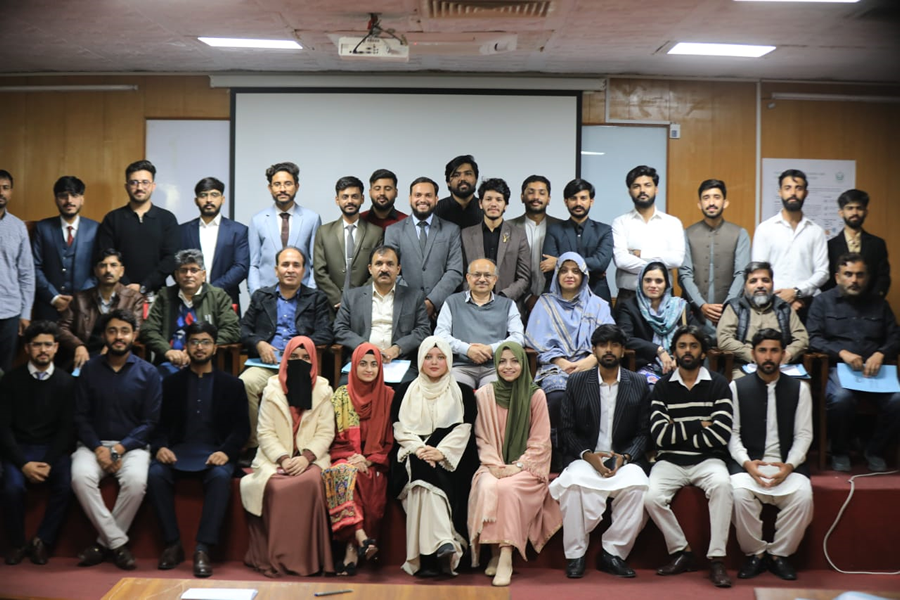
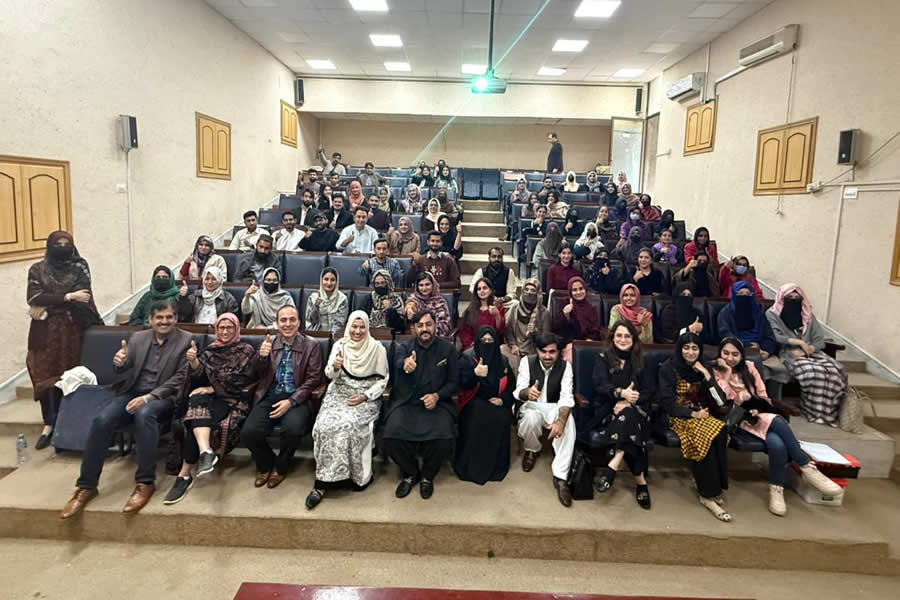
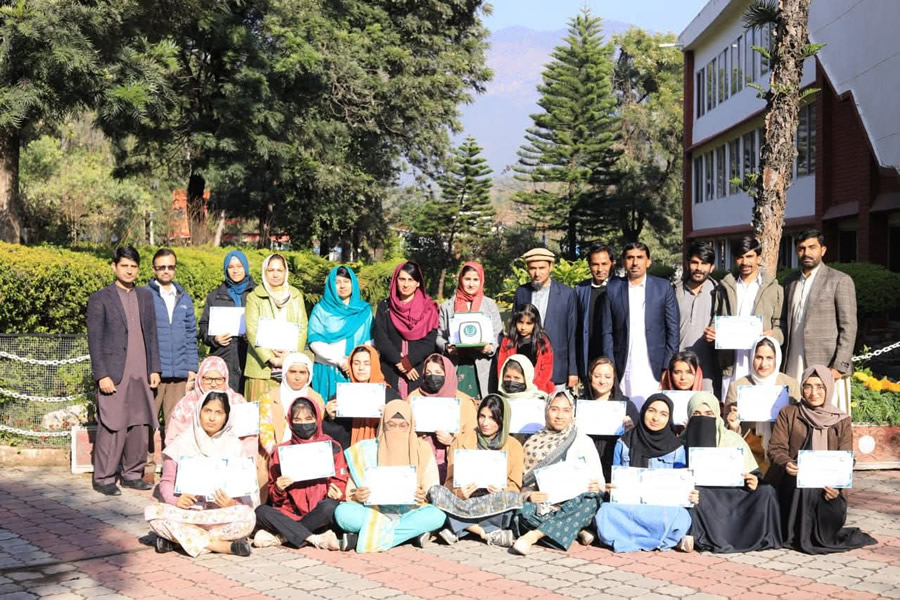
The workshop attracted large number of participants from diverse educational backgrounds, including zoology, economics, software engineering, and environmental sciences. Faculty members from different universities also attended the workshop. All participants showed keen interest in attending an advanced-level workshop, should it be arranged in the future.
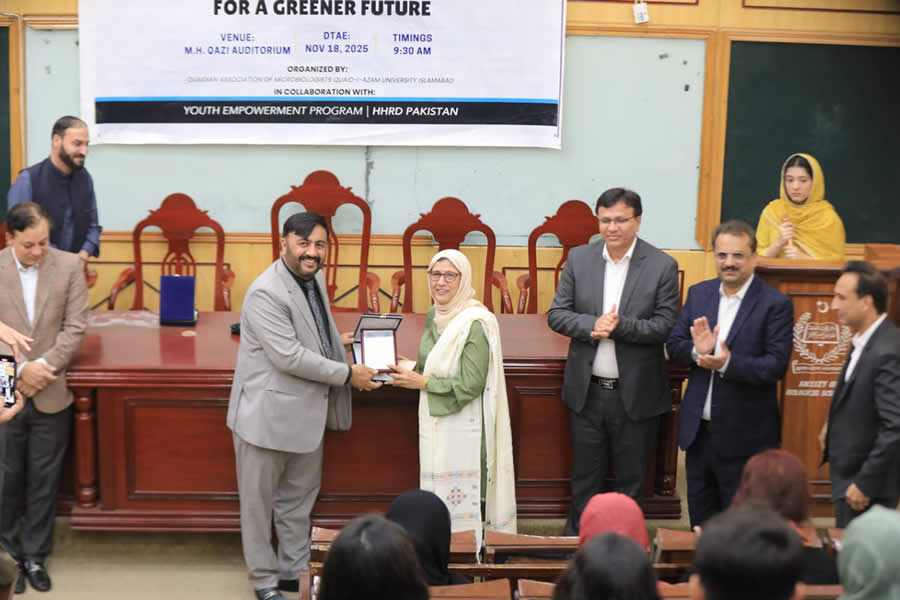
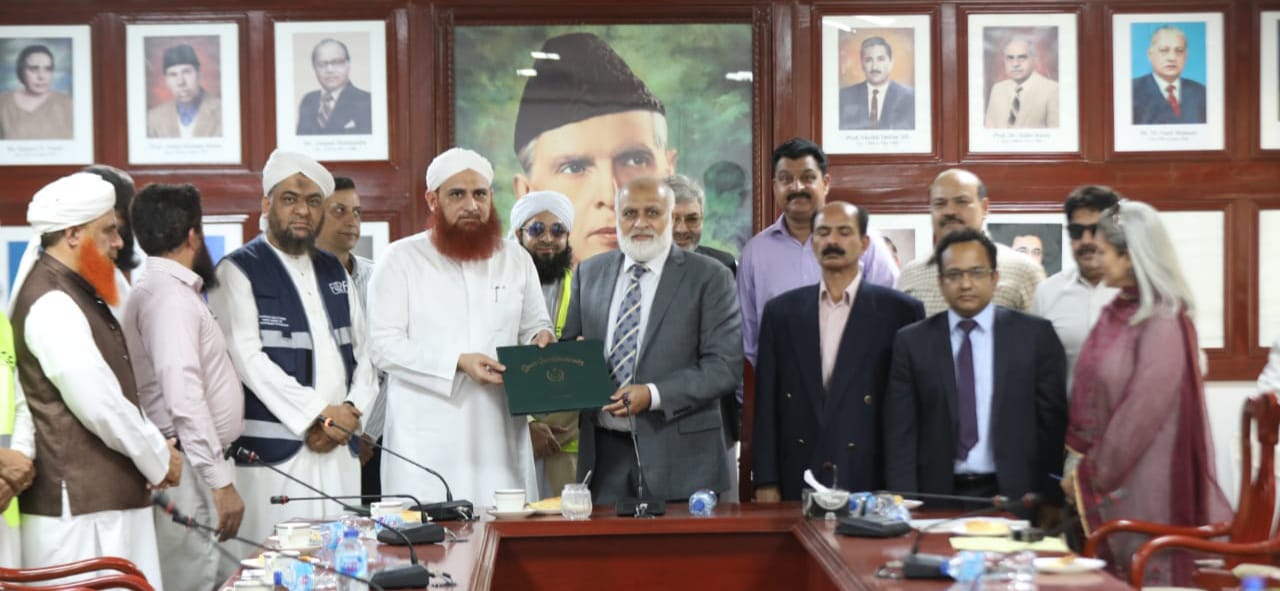
At the concluding ceremony, Dr. Kiran Afshan, Chairperson of the Department of Zoology, reiterated her message on improving learning outcomes and enhancing students’ capabilities. She also appreciated the participants’ enthusiasm for learning new tools and acknowledged the efforts of resource persons and Professor Dr. Sajid Malik in providing such opportunities to his students. The chief organizer, Professor Dr. Sajid Malik, delivered the closing remarks. The event concluded with heartfelt gratitude to all participants, with special acknowledgment to Professor Dr. Muhammad Akram Shaikh, Director General, PASTIC, for his support in facilitating and organizing the three-day training event.